2026
Why Porsche’s FaZe Clan Deal Mattered More Than It Looked
When Porsche announced its multi-year partnership with FaZe Clan in January 2023, it would have been easy to write it off as another flashy brand collaboration.

Kayla G
CEO
A closer look at how luxury brands use long-term creator partnerships to reach the next generation
When Porsche announced its multi-year partnership with FaZe Clan in January 2023, it would have been easy to write it off as another flashy brand collaboration. Another luxury company borrowing internet relevance. Another gaming organization adding a blue-chip logo to the sponsor deck. Another press release full of polished words like innovation, dreams, and community.
But that would miss what was actually happening.
Because this was not just a luxury automaker sponsoring an esports organization. It was a case study in where brand building was heading. Porsche was not simply buying attention. It was buying proximity to culture, to creators, to youth aspiration, and to a community that already understands status, identity, performance, and fandom in digital-first ways. FaZe Clan was not just a media property or esports team. At the time, it represented one of the clearest pipelines into Gen Z internet culture, with creators, gamers, lifestyle personalities, and a fan base that lived natively online.
That is what makes this partnership worth studying.
It sits at the intersection of luxury, youth culture, creator influence, gaming, licensing, digital goods, and long-term brand strategy. It also raises deeper questions that matter to every company watching the creator economy mature: Why are more brands doing multi-year deals instead of one-off influencer campaigns? What does legality and deal structure look like in these partnerships? What makes a creator group and a legacy brand a strong fit beyond superficial reach? And perhaps most importantly, what happens when a heritage brand partners with a creator entity that carries both cultural power and reputational risk?
This is where the Porsche x FaZe story gets more interesting.
If you'd like to work with creators in a deeply impactful way for your brand. Email our team at: hello@iguanagrowth.com
The surface-level story: what was announced
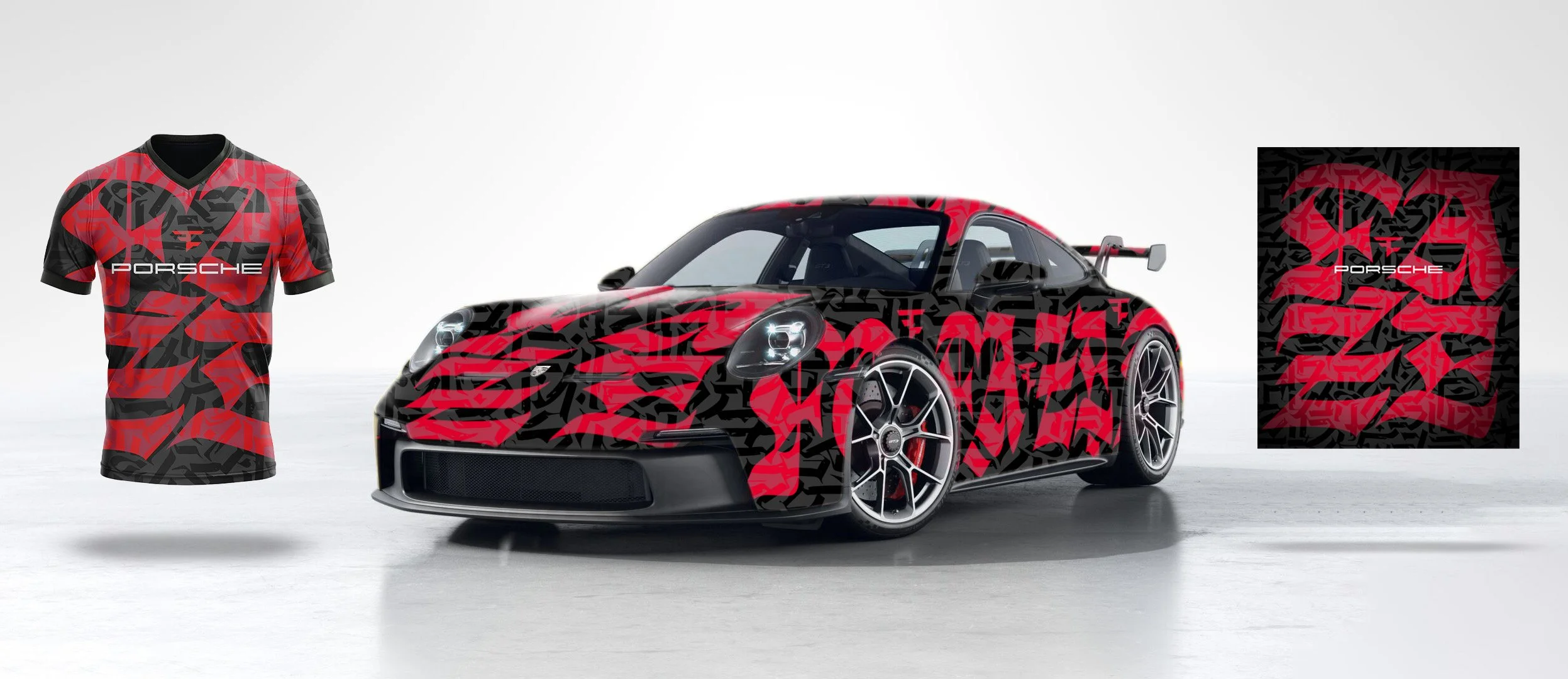
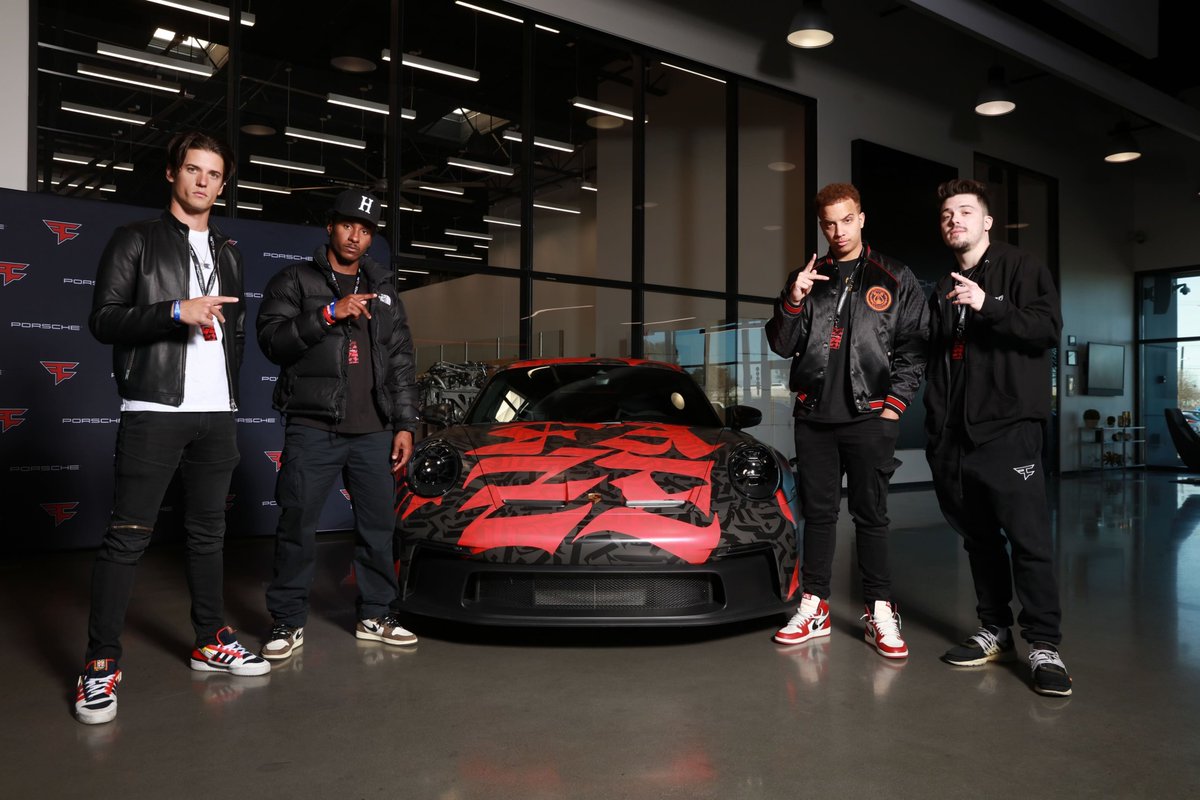
On January 19, 2023, FaZe Clan and Porsche AG announced a multi-year partnership. The deal was described as spanning original content, esports initiatives, consumer products, and digital goods in the Web3 space. Porsche also became the official partner of all FaZe Clan esports teams. The partnership was brokered in collaboration with UTA, which is notable in itself because it signals that this was not a casual influencer arrangement or one-off media buy. It was handled like a serious entertainment and brand partnership.
The public messaging around the collaboration centered on inspiration, youth culture, and shared values. Porsche framed the partnership as a way to connect with the next generation of gamers and future luxury buyers. FaZe framed Porsche as a “modern luxury brand” that, like FaZe, pushed boundaries and valued innovation and community. FaZe Swagg, one of the creators involved, added an emotional layer by saying his love for Porsche started in childhood and that owning one represented a dream realized.
That is a very important detail.
The best creator partnerships are not built only on demographics. They are built on narrative fit. Porsche did not just need a creator collective with reach. It needed a creator world where the car already meant something. A creator saying “I have always loved this brand” lands very differently from a creator saying “excited to work with this amazing partner.” One sounds lived-in. The other sounds rented.
So on paper, the deal included several moving pieces:
a long-term relationship,
content featuring FaZe members,
esports integrations,
consumer products,
and future-facing Web3 goods.
That is not the structure of a basic influencer program. That is the structure of a layered partnership ecosystem.
And that distinction matters.
If you'd like to work with creators in a deeply impactful way for your brand. Email our team at: hello@iguanagrowth.com
Why Porsche did not just buy media, it bought cultural access
At a glance, a Porsche and FaZe Clan partnership may look surprising. Porsche is a German luxury sports car manufacturer with deep heritage, prestige, motorsport credibility, and a carefully protected brand image. FaZe Clan emerged from internet gaming culture, social content, esports, lifestyle branding, and youth entertainment. One speaks in design legacy and performance engineering. The other speaks in content velocity, creator fandom, memes, identity, and digital-native cool.
But that is exactly why the partnership made strategic sense.
Luxury brands do not grow by staying frozen in heritage. They grow by translating heritage into relevance for the next buyer. And by 2023, the next buyer was already shifting. Millennials and Gen Z were driving luxury market growth. Younger audiences were not simply consuming culture through television, print, or polished celebrity endorsements. They were spending time with creators, streamers, gaming communities, and internet-native personalities who shaped how products, status, and aspiration were interpreted.
Porsche understood something many legacy brands have had to learn the hard way: if you want to stay premium with younger audiences, you cannot only appear in traditional luxury environments. You also have to show up in the cultural spaces where desire is being formed.
Gaming and creator culture are two of those spaces.
And FaZe Clan, at the time, was not just an esports org. It was one of the most visible creator-led lifestyle entities connected to gaming and youth culture. That matters because Porsche was not merely targeting gamers who might someday buy a car. It was targeting identity-forming audiences. People who see success through creators. People who engage with internet celebrities the way older generations engaged with athletes or musicians. People for whom luxury is not just about old-world exclusivity, but also about proximity to aspiration, community status, and digital relevance.
This is where the deal becomes more than a sponsorship. Porsche was embedding itself in a culture engine.
If you'd like to work with creators in a deeply impactful way for your brand. Email our team at: hello@iguanagrowth.com
Why the fit worked: performance, aspiration, and internet-native ambition
A lot of bad brand partnerships happen because the fit is only demographic. The agency deck says the audience overlaps, the reach looks attractive, and the press release gets approved. But the public can feel when a partnership is mostly math.
This one had stronger symbolic logic.
Porsche and FaZe both traded on performance, identity, and ambition. Porsche represents precision, speed, design, engineering, competition, and dream-car aspiration. FaZe, especially in its peak cultural era, represented digital performance, online status, gaming excellence, creator success, and internet-era ambition. Both brands understood fandom. Both understood aspirational identity. Both had communities that cared deeply about belonging and recognition.
Even the language used publicly points to that overlap. Porsche highlighted performance and innovation. FaZe highlighted pushing boundaries, community, and connecting with the next generation. FaZe Swagg’s quote about Porsche motivating him as a kid provided the emotional bridge between the two worlds. That is a powerful bridge because it transforms the brand from a sponsor into a symbol of upward movement.
That is exactly what creators help brands do at their best.
Creators do not just promote products. They contextualize them. They show what a product means in a real social world. They connect an item to ambition, identity, memory, taste, and lifestyle. In this case, Porsche was not just a luxury automobile. It was an emblem of making dreams real, which is a framing younger audiences understand deeply when they watch creators turn internet attention into wealth, status, and ownership.
So yes, this was about audience expansion. But it was also about symbolic translation.
Porsche was translating legacy luxury into creator-era aspiration.
If you'd like to work with creators in a deeply impactful way for your brand. Email our team at: hello@iguanagrowth.com
Why brands are doing more multi-year creator deals
This is where the bigger industry pattern comes in.
Brands are increasingly moving toward long-term creator relationships because one-off influencer campaigns are often too thin to create real brand memory. A single sponsored post can drive awareness. A short campaign can generate engagement. But long-term partnerships do something much more valuable: they build association over time.
That is the real asset.
When a creator works with a brand repeatedly, across content, events, product collaborations, and community moments, the audience stops perceiving the brand as a random advertiser and starts seeing it as part of the creator’s world. That lowers resistance and increases believability. It also gives the brand more creative surfaces to work with: storytelling, launches, experiences, merch, behind-the-scenes content, brand trips, digital goods, retail moments, and more.
In other words, long-term creator partnerships create compounding returns.
They allow the brand to move from interruption to integration.
That is one of the most important shifts happening in the creator economy. Early influencer marketing was often transactional: brief, post, tag, report, move on. The newer model is more strategic. Brands want creators who can function as long-term distribution partners, culture translators, launch partners, co-storytellers, and sometimes even product collaborators. That is especially true in categories where emotion, aspiration, and identity matter, which includes luxury, fashion, automotive, beauty, lifestyle, and consumer tech.
Multi-year deals also help solve for consistency. Brands do not have to reintroduce themselves every time. They get to build narrative continuity. The creator becomes an ongoing touchpoint. The audience sees repeated proof of alignment. Trust becomes less borrowed and more built.
That is likely part of why Porsche chose a multi-year relationship here rather than a single campaign burst. If the goal was to reach the next generation of luxury buyers, a one-and-done activation would not be enough. You do not build future preference with one piece of branded content. You build it through repetition, relevance, and identity-level integration.
If you'd like to work with creators in a deeply impactful way for your brand. Email our team at: hello@iguanagrowth.com
The legal and business side: what this kind of partnership usually signals
This is the part many casual writeups ignore.
When a press release says “multi-year partnership,” “official partner,” “consumer products,” “digital goods,” and “brokered in collaboration with UTA,” that tells you several things even if financial terms remain undisclosed.
First, this was almost certainly not a simple talent booking arrangement. This was a negotiated commercial partnership with multiple rights layers. That may include content usage rights, trademark permissions, category exclusivity, territory terms, term length, approval rights, talent participation obligations, morality clauses, brand safety language, revenue or licensing frameworks around products, and detailed provisions for digital goods or future activations.
Second, the use of “official partner” matters. That language usually signals a more formal sponsorship or category relationship, not merely a creator endorsement. If Porsche became the official partner of all FaZe Clan esports teams, that implies broader integration rights tied to team branding, competition presence, media usage, event visibility, and possibly co-branded assets.
Third, the mention of consumer products and Web3 digital goods introduces additional legal complexity. The moment a collaboration extends beyond content and into products or digital items, the agreement often has to address ownership, licensing, quality control, manufacturing approvals, brand guidelines, royalty or revenue-sharing arrangements, and compliance risks. If Web3 goods were part of the plan, that could also raise regulatory and reputational questions, especially in a market that was already becoming more volatile by 2023.
So while the public-facing story was about dreams, innovation, and youth culture, the business reality underneath was almost certainly a carefully layered commercial deal designed to protect both parties while maximizing upside across content and brand equity.
That matters because the best creator partnerships are not just creatively compelling. They are operationally sound.
If you'd like to work with creators in a deeply impactful way for your brand. Email our team at: hello@iguanagrowth.com